



We regularly welcome fellows from all over the world to our institutions and offer you all the information you need about current, future and past fellowships here.
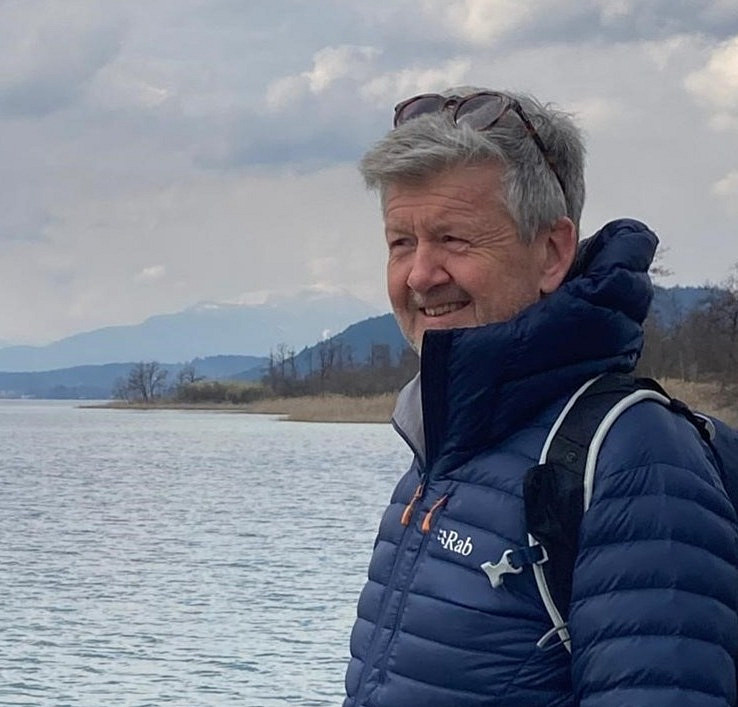
Julian Johnson
In March 2026 I spent two wonderful weeks in Graz as a Fellow of the core research area Perception: Episteme, Aesthetics, Politics. During this time, I had some wonderfully rich and stimulating conversations with fellow researchers, from PhD students and post-docs through to the professors leading the project. What struck me in all my encounters, was the depth of connections that are opened up when we have the courage to step outside the familiar safety of our own disciplines and risk being vulnerable in a truly interdisciplinary quest.
The principal event of my Fellowship was a two-day PhD workshop (Aesthetics: Form, Content, Theme) at which I was one of two keynote lecturers. My own lecture was titled ‘Aesthetic Experience and the Reversal of Philosophy’, a central idea in my forthcoming book Musical Listening: Aesthetic Experience as Opening to the World (New York: Oxford University Press, 2026). Taking the idea of a keynote seriously, I suggested that thinking about aesthetic experience makes a radical challenge to our habitual academic discourses, one that points not just to a different kind of language-use, but to a different kind of practice.
Walter Hopp
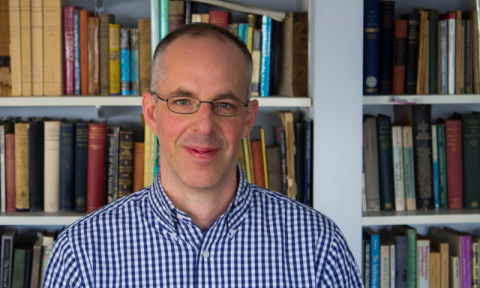
In February 2025, Prof. Walter Hopp (Boston University) was a visiting researcher of the Perception core research area at the University of Graz. Walter Hopp has made important contributions to the field of phenomenology, in particular in connection with topics of analytical philosophy. His recent publications include Phenomenology: A Contemporary Introduction (2020, Routledge) and “Image Consciousness and the Horizonal Structure of Perception” (2014, Midwest Studies in Philosophy). He gave a keynote lecture at the workshop “Perceptual and Aesthetic Evidence. Reflections on Pictorial Representation in Philosophy and Art”, organized by members of the Perception group. In his talk, “Relationalism and Image Consciousness”, Walter Hopp considered the analysis of image perception in phenomenology.
According to Hopp, Husserl argues that there are three objective components of image consciousness: the physical image, the image object, and the image subject, or what an image depicts. He also claims that the image object is not a real entity. The image object is distinct from both the physical image and the image subject. It represents the image subject, and cannot ever be in the same place as the image subject. It also has a different originary mode of givenness. The image object and the physical image also have different originary modes of givenness. Seeing the image object requires that we undergo an illusory experience of the physical image. Otherwise we would be unaware of depth in the image (Kurg 2014; Briscoe 2016). Because an illusion is the hallucination of property instances (Schellenberg 2018), and because hallucinated objects do not exist, the image object does not exist.
Claudia Luchetti
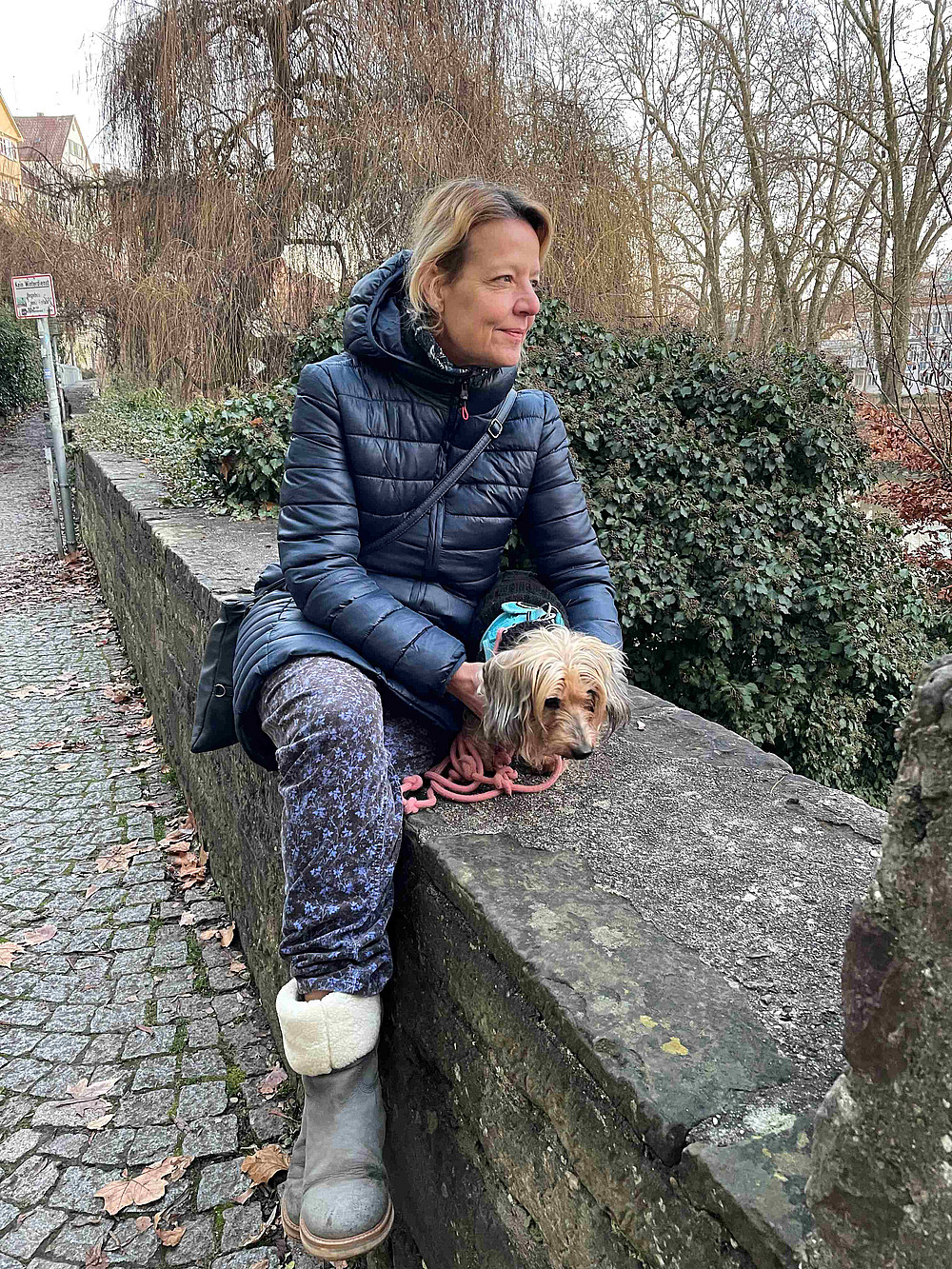
My fellowship at the core research area Perception: Episteme, Aesthetics, Politics Centre was enlivened by several activities: The first, participation in the Centre's plenary session, which took place in the inspiring atmosphere of the Museum of Perception, allowed me to connect with colleagues working in original fields of research.
Secondly, the co-organization of the first of a series of lectures on Perceiving Nature(s): Epistemic, Artistic and Political Practices as Contested Fields.
Thirdly, the presentation, in the context of the workshop Perceptual and Aesthetic Evidence: Reflections on Pictorial Representation in Philosophy and Art, of a research concept entitled Midway between Logical Evidence and Aesthetic Intuition: Some Reflections on Plato's Psychology in the form of a lecture. This research concept, which will be the subject of further analyses, gave me the opportunity to recognise the existence of two forms of evidence in Plato, one discursive-demonstrative and one intuitive-aesthetic, which also led me to reflect on the need to blur the boundaries between philosophy, art, psychology and music theory in terms of interdisciplinary collaboration within the core research area.